Understanding Contract Selection In Bridge Games
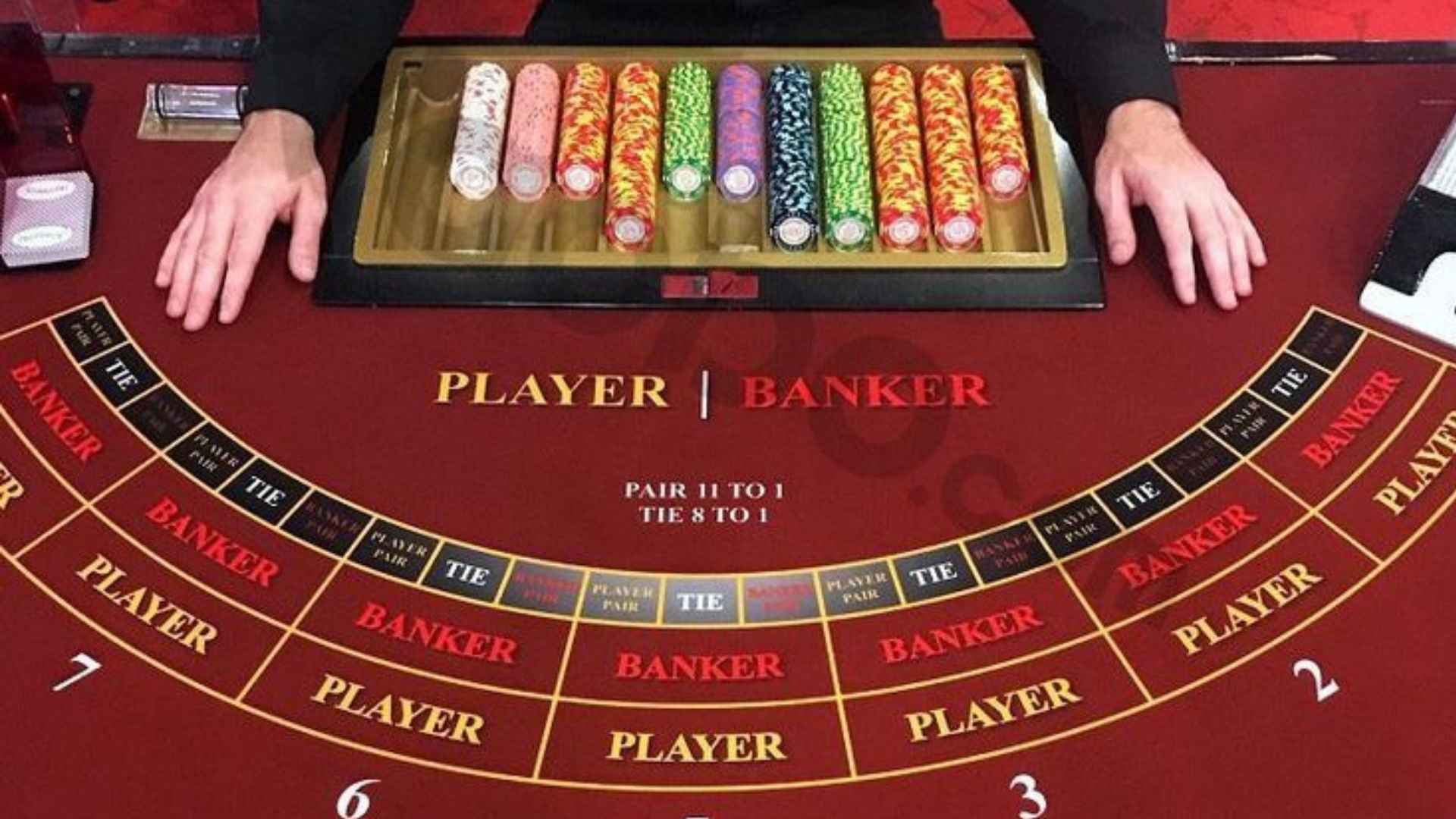
Contract selection is one of the most critical phases in contract bridge, determining both the strategic objective and the scoring potential for a partnership. Navigating the auction requires a careful assessment of combined hand strength, suit distribution, and overall risk tolerance. By establishing a clear target contract, players can maximize their scoring chances while minimizing the likelihood of going down.
Evaluating High-Card Points and Suit Fit
Choosing the right contract begins with estimating the combined point count between partners during the bidding process. High-card points provide an initial benchmark, but identifying a major suit fit often determines whether a game-level contract is reachable. Partnerships usually look for an eight-card or longer fit in spades or hearts before settling on a final trump suit.
When a major suit fit is absent, players must evaluate whether a Notrump contract offers a safer path to victory. Notrump requires stoppers in suits controlled by opponents, making careful distribution analysis essential. Accurately balancing point thresholds with suit length ensures that partners land in a sustainable level.
Distinguishing Between Game, Part-Score, and Slam
Part-score contracts are designed for hands with modest combined values, offering steady points without incurring excessive risk. Attempting a game contract yields higher scoring bonuses, but it demands precise execution and sufficient point power. Recognizing when to stop in a part-score versus pushing for game separates experienced players from novices.
Slam bidding represents the ultimate challenge in contract selection, requiring near-perfect card synergy and control over all suits. Bidding a slam without sufficient controls often leads to costly penalties and lost momentum. Masterful players analyze key cards and distribution carefully before committing to six or seven-level contracts.
Adapting Strategy in Competitive Auctions
Opponents frequently enter the bidding sequence to disrupt communication and push the auction to higher levels. In competitive scenarios, players must decide whether to outbid opponents or defend against their proposed contract. Evaluating vulnerability and potential defensive tricks helps partners make sound decisions under pressure.
Players who enjoy strategic decision-making in competitive card environments often explore trusted portals like m88 alternatif to analyze game dynamics. Managing competitive auctions requires flexibility and clear signaling between partners. Knowing when to pass and let opponents overextend is just as important as bidding aggressively.
Refining Post-Auction Decision Making
Once the final contract is established, the declarer must formulate a plan to secure the required number of tricks. Selecting a contract is only the first step, as successful play depends on managing entries and trump distribution. Analyzing opponent leads provides crucial clues about missing high cards and suit splits.
Consistently choosing optimal contracts comes through regular practice, post-game analysis, and partnership review. Discussing missed opportunities after a match helps partners refine their bidding agreements for future games. Over time, disciplined contract selection leads to superior tournament results and consistent success.