Tag: Competitive Play

dishonored death of the outsider safe codes Every...
Navigating the treacherous streets of Karnaca in Dishonored: Death of the Outsider requires both stealth and sharp observation. Scattered throughout the game's detailed environments are heavily guarded safes packed with valuable resources, bonecharms, and key quest items. Finding the combinations to these locked containers rewards players with essential loot that can significantly ease their journey through the dark narrative.
Cracking the Early Safes in Karnaca
In the opening mission, players can locate a secure container inside the apartment of a bookmaker near the baths. The code to unlock this first cache can be discovered by closely examining the apartment's environment, specifically checking the nearby board. Inputting the correct combination grants players immediate access to valuable coin bags and helpful ammunition supplies.
Moving into the second mission, another major vault awaits within the local journalist's office. Players must carefully investigate the workspace and interact with hidden notes to piece together the digits. Cracking this lock yields additional currency and unique lore documents that flesh out the local political landscape.
The Grand Bank Heist Vault Combinations
The third mission features a massive heist inside the Dolores Michaels Bank, which houses the most complex safe locking mechanism in the game. To successfully breach the main vault, players need to collect clues distributed across the entire facility. The solution involves solving an intricate puzzle based on the numbers of the main vaults themselves.
For players wishing to open the individual investor safes within the vault room, distinct codes are scattered on desks throughout the bank. Each container contains specialized gear upgrades, large sums of money, or rare materials needed to craft new equipment. Taking the time to methodically search the bank floors ensures you walk away with maximum rewards.
Unlocking Hidden Loot in Late Game Missions
As Billie Lurk approaches the final stages of her mission, hidden caches become scarcer but offer substantially better rewards. In the fourth mission, players encounter an overseer outpost holding a secure locker filled with lethal tools. The combination is cleverly hidden within nearby religious texts and requires cross-referencing specific chapters.
The final environment presents a ultimate test of environmental puzzle-solving to open the last secure container. Tracking down these final digits provides a significant advantage before heading into the game's climactic ending encounter. Utilizing these reliable strategies ensures that no coin, charm, or powerful upgrade is left behind in the dark.

What Experts Say About Recognizing Romantic Interest
Navigating the early stages of dating often feels like decoding a complex language without a manual. Relationship scientists and psychologists frequently study how individuals signal attraction and why these cues are easily missed. Understanding what experts say about recognizing romantic interest can help people look past their assumptions and interpret real-world behaviors more accurately.
The Psychology of Hidden Biases
Experts note that romantic attraction is heavily influenced by cognitive biases that cloud objective judgment. One common obstacle is self-essentialist reasoning, where individuals falsely assume a potential partner shares their core personality traits. This internal assumption often creates an illusion of compatibility before real evidence even exists.
Another hurdle is projection bias, which leads people to believe others hold the exact same mindset and values. When someone is highly interested, they might assume the other person naturally mirrors their romantic intent. Recognizing these internal projections is vital to discovering if a genuine spark exists between two individuals.
Decoding Nonverbal Communication
Behavioral research shows that genuine interest manifests through a combination of subtle physical expressions rather than a single grand gesture. Experts point to focused attention, consistent eye contact, and authentic smiling as strong indicators of attraction. For instance, individuals using a sincere flirting style often engage in deeper self-disclosure during conversations.
Conversely, misreading nonverbal signals can lead to major miscommunication in the dating scene. People often confuse general emotional availability or polite friendliness with explicit romantic intent. Psychological studies suggest that taking time to observe situational behavior prevents individuals from jumping to premature conclusions.
Fostering Emotional Availability
Building a successful connection requires moving past superficial signals and focusing on mutual emotional transparency. When both partners communicate openly, the relationship naturally experiences less friction and fewer moments of uncertainty. Shared clarity helps eliminate the anxiety associated with mixed signals and ambiguous dating behaviors.
Ultimately, experts emphasize that patience and active listening are the best tools for evaluating romantic potential. Rather than forcing a narrative based on minor cues, observing how a person respects boundaries over time provides true clarity. Focusing on these foundational habits allows individuals to navigate the dating landscape with confidence and wisdom.

Every Player Has Room To Improve
Entering a complex competitive game or a tactical digital environment can often test your limits, regardless of your initial skill level. While technical talent provides a strong starting point, long-term mastery requires a continuous commitment to growth and refinement. By shifting your focus toward strategic evaluation and targeted practice, you can identify hidden weaknesses and steadily elevate your gameplay.
Embracing a Growth Mindset
The foundation of long-term development rests on how you perceive your current limitations and structural mistakes. Players who treat errors as learning opportunities rather than definitive failures tend to overcome skill plateaus much faster. This constructive approach allows you to analyze challenging matches objectively and adjust your tactical responses accordingly.
Developing this mindset helps you stay composed when facing highly experienced opponents or unfamiliar strategies. Instead of relying solely on baseline mechanics, you learn to value incremental progress over immediate victories. Over time, this psychological shift transforms every difficult session into a valuable training ground.
Analyzing Mistakes Over Outcomes
To unlock your full potential, it is essential to review your positioning, mechanical execution, and strategic decisions regularly. Winning a match does not mean your performance was flawless, just as losing does not mean no progress was made. Examining the specific moments where a plan fell apart yields actionable data for your next session.
Focusing on error correction helps build consistent habits that withstand high-pressure scenarios. You can identify recurring patterns in your decision-making that might be actively holding you back. Breaking down these complex scenarios ensures that you do not repeat the same tactical errors in future encounters.
Optimizing Core Mechanics and Timing
Even seasoned veterans must spend time refining their basic executions, action rotations, and situational awareness. Game updates and shifting competitive environments frequently require players to adapt their muscle memory and overall approach. Dedicating structured time to mechanical drills ensures your execution remains crisp under intense pressure.
Understanding the internal pacing and dynamic flow of combat allows you to anticipate structural shifts before they occur. Refining your timing enables you to execute advanced combinations with greater precision and confidence. Consistent mechanical execution forms the backbone upon which complex team strategies are successfully built.
Building Effective Team Synergy
Individual skill is undeniably important, but learning how to integrate your capabilities into a broader team network is what secures lasting success. Communication, structural role balance, and mutual support amplify the effectiveness of every individual participant on the field. Recognizing how your choices impact your allies is a vital component of advanced play.
Adapting your personal playstyle to complement your teammates creates a resilient strategy that is difficult for opponents to disrupt. True mastery involves knowing when to take the lead and when to play a supportive role for the greater good. Cultivating this level of coordination elevates the performance of the entire roster simultaneously.
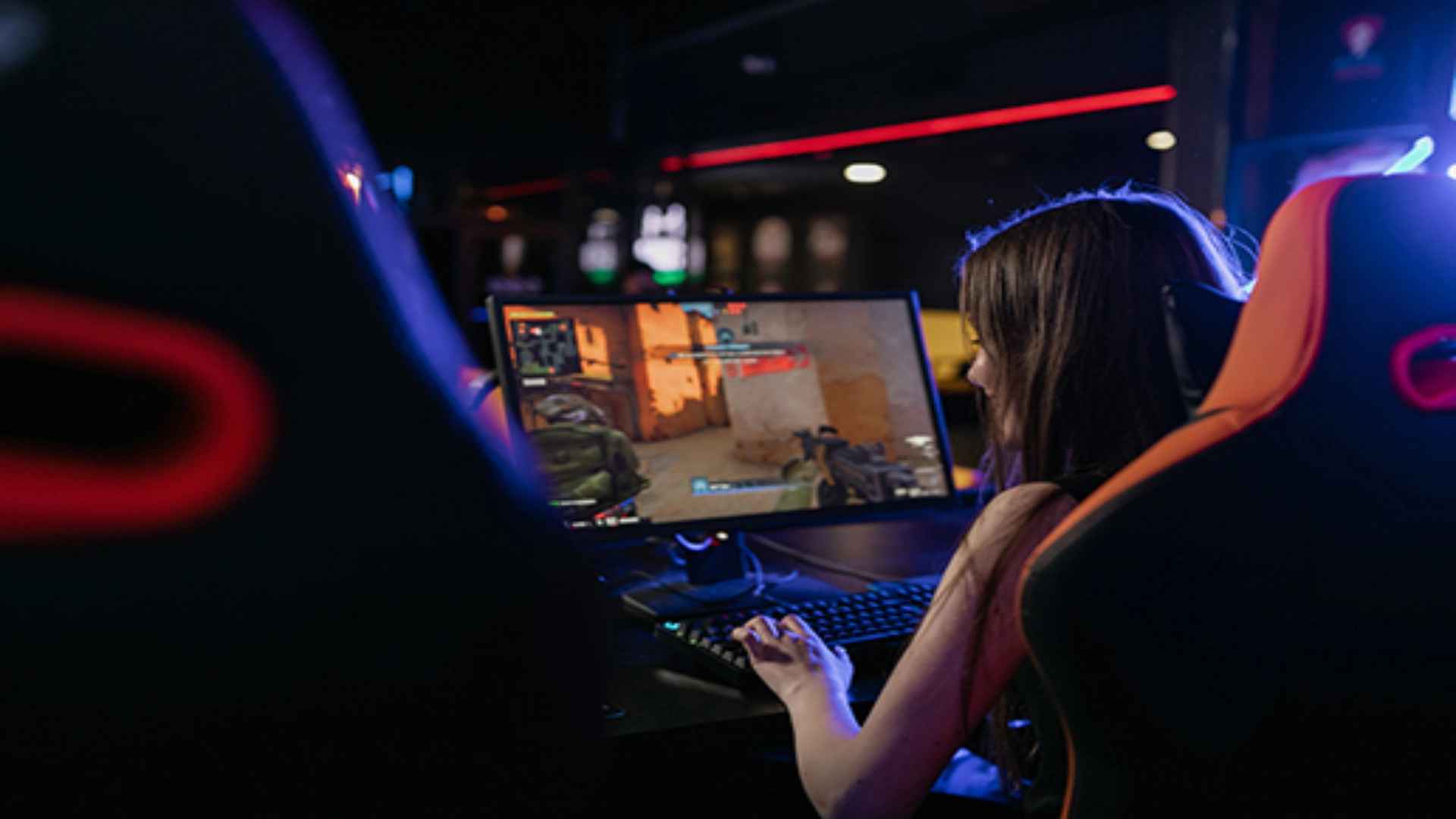
Better Focus Better Free Fire Decisions
Succeeding in Free Fire requires a profound level of mental clarity alongside fast mechanical reflexes. Players often find themselves eliminated not due to poor aiming skills, but because of split-second lapses in concentration. By cultivating better focus, you can make smarter Free Fire decisions that consistently secure placements and high-tier victories.
The Direct Connection Between Attention and Tactical Choices
In the chaotic environment of a battle royale match, your brain is bombarded with visual and auditory information. Maintaining a sharp mental state allows you to filter out unnecessary distractions and isolate critical indicators like far-off gunshots or moving shadows. When your attention is entirely locked onto the match, your analytical processing speed increases exponentially.
A distracted mindset inevitably leads to hesitation, which is fatal during intense squad skirmishes. Superior concentration helps you immediately evaluate risk factors before committing to an aggressive push or a defensive retreat. Ultimately, training your mind to stay fully present converts raw data into definitive match-winning actions.
Mitigating Visual Fatigue in Extended Gaming Sessions
Prolonged matches often induce mental fatigue, causing a noticeable decline in an individual's situational awareness. Players who sit through hours of continuous gameplay frequently suffer from slower reaction speeds and poor inventory management. To combat this decline, top-tier competitors utilize brief warm-up routines and scheduled eye rests between intense rounds.
Sustaining high concentration levels ensures you notice minor details, such as an enemy player peeking from behind a distant tree. When your focus remains optimal, you are less likely to make desperate, uncalculated moves out of sheer impatience. Developing structured cognitive habits before entering ranked lobbies preserves your decision-making capacity throughout the evening.
Smarter Inventory Management Under High Pressure
Looting under pressure is a core aspect of the game where concentration directly impacts survival outcomes. Confused or panicked players frequently waste valuable seconds sorting through supply crates while standing out in the open. A focused mind retains a clear mental checklist of essential items, enabling rapid and efficient looting sequences.
Knowing exactly how many Gloo Walls, medical kits, and ammunition types you need prevents dangerous delay. This organized approach to resource collection minimizes your exposure time to hidden snipers scanning the area. Clear prioritization during the early stages of a match sets up a reliable foundation for late-game combat.
Navigating the Chaos of Final Circle Rotations
The closing moments of a Free Fire match present the ultimate test of an individual's psychological resilience. As the play zone shrinks, multiple squads are compressed into tiny sectors, triggering chaotic crossfires. Keeping your composure allows you to map out safe rotation paths rather than blindly running into active combat zones.
During these high-stakes scenarios, split-second positioning choices dictate whether your team achieves victory or faces sudden elimination. Better focus empowers you to predict how rival players will move when the blue zone forces them out of cover. Anticipating these shifts ensures your squad maintains the ultimate tactical advantage until the final screen.

Winning Consistently Requires Smart Discipline
Achieving sustained success in highly competitive systems requires much more than a brief burst of motivation or occasional flashes of brilliance. True advancement on any structured ladder or competitive arena depends heavily on establishing long-term behavioral consistency and structural routines. By applying calculated decision-making to everyday habits, individuals can reliably outpace their competition regardless of natural talent variations.
The Core of Structural Routine
Building a predictable environment is the initial step toward maintaining high-level tactical execution over long periods. Developing strong habits through organized pre-session routines allows competitive individuals to clear external real-world distractions entirely. This intentional preparation establishes the baseline mental conditions necessary to enter a productive state of flow regularly rather than randomly.
Furthermore, setting highly specific and controllable micro-goals for each session ensures steady skill acquisition without burning out. Rather than focusing vaguely on winning an entire match, expert performers isolate particular elements of their mechanics for targeted refinement. This systematic reduction of behavioral variance naturally translates into fewer unforced errors during high-pressure scenarios.
Managing Performance Under High Pressure
Sustaining a winning streak demands exceptional mental emotional regulation when dealing with unpredictable or disadvantageous situations. Disciplined competitors treat unexpected setbacks as objective data points rather than personal failures that merit frustration or panic. This analytical framing prevents emotional instability from degrading tactical awareness when rapid adaptation is required.
Moreover, strategic patience often dictates the final outcome of intense, balanced competitive matches where margins for error are incredibly thin. Forcing premature confrontations out of desperation usually exposes structural weaknesses that alert opponents can easily exploit. Waiting calmly for the optimal moment to strike maximizes the efficiency of every resource spent.
Strategic Resource Optimization
Long-term improvement relies heavily on treating physical well-being and mental energy as critical performance variables. Elite players recognize that continuous overexertion without planned recovery leads directly to cognitive fatigue and sub-optimal choice patterns. Implementing structured breaks and balancing sleep schedules preserves the sharp execution speeds needed at the highest tiers.
Reviewing historical performance data through structured analysis sessions provides the evidence required to build genuine confidence. This objective self-assessment highlights hidden mechanical blind spots that are frequently overlooked during active, fast-paced matches. Relying on verified performance data rather than ego ensures that tactical adjustments remain highly effective over time.

Learn To Grow Beyond Every ML Loss
Experiencing a defeat in Mobile Legends can be a highly frustrating ordeal, often leading to immediate discouragement or emotional fatigue. However, competitive gaming experts emphasize that setbacks are actually the most effective tools for accelerating tactical improvement. By shifting your perspective from simple frustration to objective analysis, you can transform every defeat into a powerful lesson that elevates your overall gameplay.
Analyzing Personal Mistakes Without Excuses
The most crucial step toward recovering from a defeat is taking personal responsibility for your own performance metrics during the match. Too many players fall into the trap of blaming their teammates instead of reviewing their own mechanical or positional errors. Objective self-reflection allows you to identify specific areas where your individual execution fell short of expectations.
Reviewing your match history and viewing replays helps you pinpoint exactly when a tactical misstep occurred. You might notice poor positioning during a crucial base defense or a failure to check the mini-map before a major team fight. Recognizing these patterns ensures that you do not repeat the same errors in subsequent competitive sessions.
Shifting Focus to Objective Milestones
Chasing a high kill count often distracts teams from the ultimate goal of destroying the enemy base crystal. Prioritizing map objectives like turrets, the Turtle, and the Lord creates a more sustainable path toward long-term victory. When a match is lost, it is frequently because the opposing team managed these global resources with greater discipline.
Evaluating how effectively you secured or contested these milestones provides valuable insight into your strategic efficiency. Acknowledging the exact moments where objective control was conceded allows your squad to optimize its rotations in the future. True improvement comes from understanding the macro flow of the battlefield rather than focusing solely on individual combat scores.
Building Emotional Resilience and Adaptive Mindsets
Maintaining emotional control after a difficult match prevents the dangerous downward spiral commonly known as ranked tilting. Entering a new competitive session while feeling agitated severely limits your decision-making capacity and response time. Cultivating patience allows you to remain composed even when facing highly aggressive enemy strategies.
Accepting that defeats are an inevitable component of the learning process fosters long-term psychological strength. Taking a short break between matches helps clear your mind and restores your tactical focus before the next drafting phase begins. A resilient competitor views every challenging scenario as a unique opportunity to build better in-game habits.
Refining Tactical Flexibility and Counter Building
Sticking to a rigid equipment path regardless of the enemy composition is a frequent error that limits player potential. Evaluating the specific threats presented by the opposing lineup allows for dynamic adjustments that can turn the tide of a match. Learning which defensive or offensive items directly counter a dominant foe is essential for high-level survival.
Understanding item synergies helps players maximize their chosen hero strengths while minimizing visible tactical vulnerabilities. Analyzing why a particular build failed in a previous match enables smarter adjustments in your future equipment choices. This analytical approach to customization separates average competitors from players who consistently dominate the battlefield.