Tag: Game Features

HOK Progress Starts With Practice
Succeeding in the competitive landscape of Honor of Kings requires a commitment to continuous self-improvement and steady evaluation. While natural talent can offer a brief head start, long-term climb through the ranks relies on deliberate execution of fundamentals. Dedicated training sessions provide the structured framework needed to turn standard gameplay into high-tier strategic mastery.
The Value of Deliberate Hero Practice
Stepping into matches without a clear goal often leads to stagnation and repetitive tactical mistakes. Dedicating specific sessions to understanding mechanical ranges allows players to unlock the true potential of their chosen champions. This targeted style of rehearsal ensures that complex capability inputs become second nature during chaotic team fights.
Limiting your champion pool during training phases helps you focus deeply on specific lane matchups. By repeating simulations against difficult counters, you learn when to engage aggressively and when to play defensively. Over time, this repetitive commitment builds muscle memory that keeps you composed during critical high-stakes skirmishes.
Sharpening Game Sense and Spatial Awareness
Excellent mechanical execution means very little if a player fails to understand the shifting state of the live map. True development relies on training your eyes to constantly track the minimap between farming rotations. This habit helps teams anticipate upcoming jungle ambushes and secure safer rotations across different lanes.
Understanding objective priority is another major skill developed through intentional match review and observation. Top performers prioritize the macro benefits of securing the Dark Slayer over chasing low-value enemy tracking. Regular coordination drills teach players how to group early and lock down neutral epic monsters efficiently.
Adapting Builds to Counter Live Threats
Relying solely on default item build recommendations can severely limit your flexibility in advanced competitive brackets. True growth involves spending time outside of matchmaking to study counter-itemization properties and passive equipment buffs. Learning how defensive variables mitigate specific burst threats gives you a distinct advantage during close encounters.
Dynamic builds require players to constantly evaluate which opponents are accumulating the most gold and resources. Adapting your build path mid-game allows you to counter fed carries before they completely take over the map layout. This analytical approach ensures that your gold investment directly solves the immediate threat your squad faces.
Embracing a Constructive Review Mindset
Analyzing personal defeats rather than shifting blame is the fastest way to break through persistent rank plateaus. Reviewing match replays helps isolate positioning errors, mistimed capabilities, and communication breakdowns within the squad. Transforming setbacks into educational milestones builds the mental resilience required for sustained competitive growth.
Remaining patient with your personal development path reduces the stress commonly associated with ranked matchmaking queues. Consistent performance is a gradual outcome of minor adjustments implemented across dozens of matches. Maintaining this disciplined focus ensures steady climb and long-term enjoyment within the vibrant community.
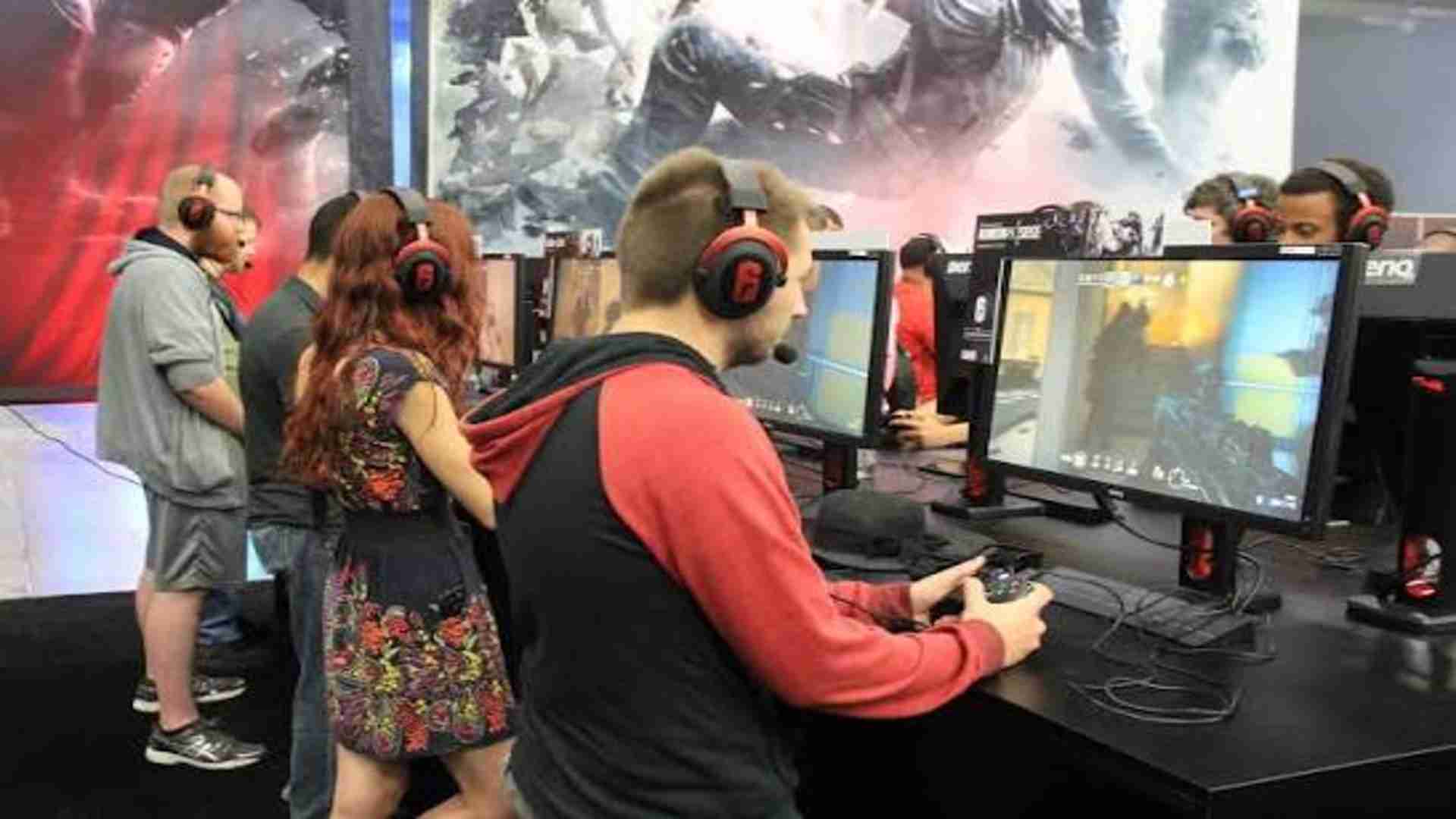
Reading The Battlefield Before Engaging
Success in tactical multiplayer games relies heavily on anticipation rather than just quick mechanics. Players who take a moment to evaluate their surroundings before firing a shot consistently achieve better survival rates and higher placement. By learning to decode environmental clues, any gamer can transform chaotic situations into highly predictable outcomes across the battlefield.
Analyzing Environmental Disturbances and Open Doors
An untouched compound tells a completely different story compared to one that has already been visited by opponents. Open doors, shattered windows, and missing vehicles are immediate indicators that an enemy team might still be lingering nearby. Vets treat these small visual anomalies as active warning signs rather than ignoring them during their rotation phases.
Furthermore, discarded items on the ground can reveal the exact progression of a passing squad. If high-tier ammunition is left behind while basic healing items are gone, you can easily deduce their current resource status. Paying close attention to these minor details ensures that your team never walks blindly into a prepared ambush.
Decoding Auditory Clues and Distance Visuals
Sound management plays an essential role when trying to determine where the next threat will emerge. Distant gunfire should not simply be treated as noise, but rather as an active puzzle regarding player density. By counting the unique weapon signatures, strategic leaders can accurately identify how many squads are currently fighting in a specific quadrant.
Additionally, keeping track of bullet direction allows you to map out weak defensive angles before you even arrive. Observing the kill feed alongside these audio cues gives a clear picture of who is winning the skirmish. This comprehensive situational awareness helps your squad decide whether to intervene immediately or hold a passive angle.
Utilizing Topography for Smarter Rotations
Terrain appreciation involves looking at the map through the lens of cover, defensive viability, and escape routes. Rushing over open hills without checking the defilades creates an immense vulnerability that experienced players regularly exploit. Taking a few seconds to scout low ground and rocky formations prevents unnecessary casualties during long-distance rotations.
High ground naturally provides excellent visibility, but it also exposes your silhouette to multiple angles if you stay stationary for too long. Smart survivors prioritize partial cover that allows them to observe enemy lines without drawing immediate attention from third parties. Balancing visibility with personal safety is the ultimate foundation of consistent positioning.
Predicting Enemy Behavior Patterns
Human behavior under pressure follows highly predictable patterns that can be weaponized during tense matches. When the play zone shrinks, most squads naturally gravitate toward the shortest path into safety, creating predictable choke points. Anticipating these common rotation paths allows you to set up defensive lines long before the competition arrives.
Understanding how an opponent reacts to getting hit also shifts the tactical advantage entirely in your favor. Panicked players usually sprint toward the nearest solid wall, exposing their flanks to secondary angles during the retreat. Recognizing these predictable behavioral tendencies helps you secure eliminations without relying solely on raw aiming skills.

The Most Played Baccarat Variations
Baccarat has earned a legendary status in both brick-and-mortar and digital casinos worldwide due to its elegant simplicity and low house edge. While the core objective of reaching a hand total closest to nine remains identical, several distinct versions have gained massive popularity among players globally. Exploring these widely played formats allows enthusiasts to enjoy different paces of play and unique table dynamics.
The Dominance of Punto Banco
Punto Banco is indisputably the standard version of baccarat that dominates gaming floors across North America, Macau, and major online platforms. In this fast-paced format, the casino acts as the permanent banker, and the game moves strictly according to predetermined drawing rules. Players simply choose to wager on the player hand, the banker hand, or a potential tie outcome.
The lack of complex strategic decisions makes this variation highly accessible to casual enthusiasts and beginners alike. Because the dealer manages all the card distributions automatically, the gameplay flows smoothly without any unnecessary interruptions. For those who enjoy digital versions of this classic card game, trying out an exciting M88 slot or live dealer table can offer a premium gaming experience.
Chemin de Fer for Traditionalists
Chemin de Fer represents the historic French version of the game that remains highly popular in many traditional European gaming houses. Unlike standard modern variants, the role of the banker rotates actively among the participants seated around the table. This setup introduces a unique layer of psychological strategy because the choices directly impact the active bets.
The active banker decides whether to draw a third card based on the visible cards held by the opponents. This version creates a highly interactive social environment where players compete directly against one another rather than the house. It is often preferred by high-stakes enthusiasts who appreciate traditional casino rituals and active involvement.
Mini Baccarat for Casual Gameplay
Mini Baccarat delivers the exact same mathematical odds and rules as the traditional game but alters the physical scale. It is hosted on smaller, blackjack-style tables within the main casino floor rather than secluded high-limit rooms. This scaling drastically lowers the minimum betting requirements, making the experience highly inclusive for everyone.
The dealer handles all the cards directly, which accelerates the pace of the game significantly compared to larger tables. This rapid gameplay allows participants to complete a higher volume of rounds in a shorter time frame. It serves as a fantastic learning ground for players looking to master basic patterns without risking immense capital.
Baccarat Banque and Fixed Banks
Baccarat Banque is another historic European variation that shares similarities with Chemin de Fer but features a structured banking system. In this format, the position of the banker is designated to the individual willing to risk the largest initial stake. This player maintains the banking responsibility throughout the entire shoe unless their funds are completely exhausted.
The table layout is typically divided into two separate halves, allowing the banker to play against two distinct hands simultaneously. This complex arrangement creates an intense atmosphere filled with high-stakes tension and collaborative strategies among the participants. Understanding this variant provides card game lovers with a deeper appreciation for the rich history of casino entertainment.